Hidden Water Damage Signs in Albany: Early Detection Steps
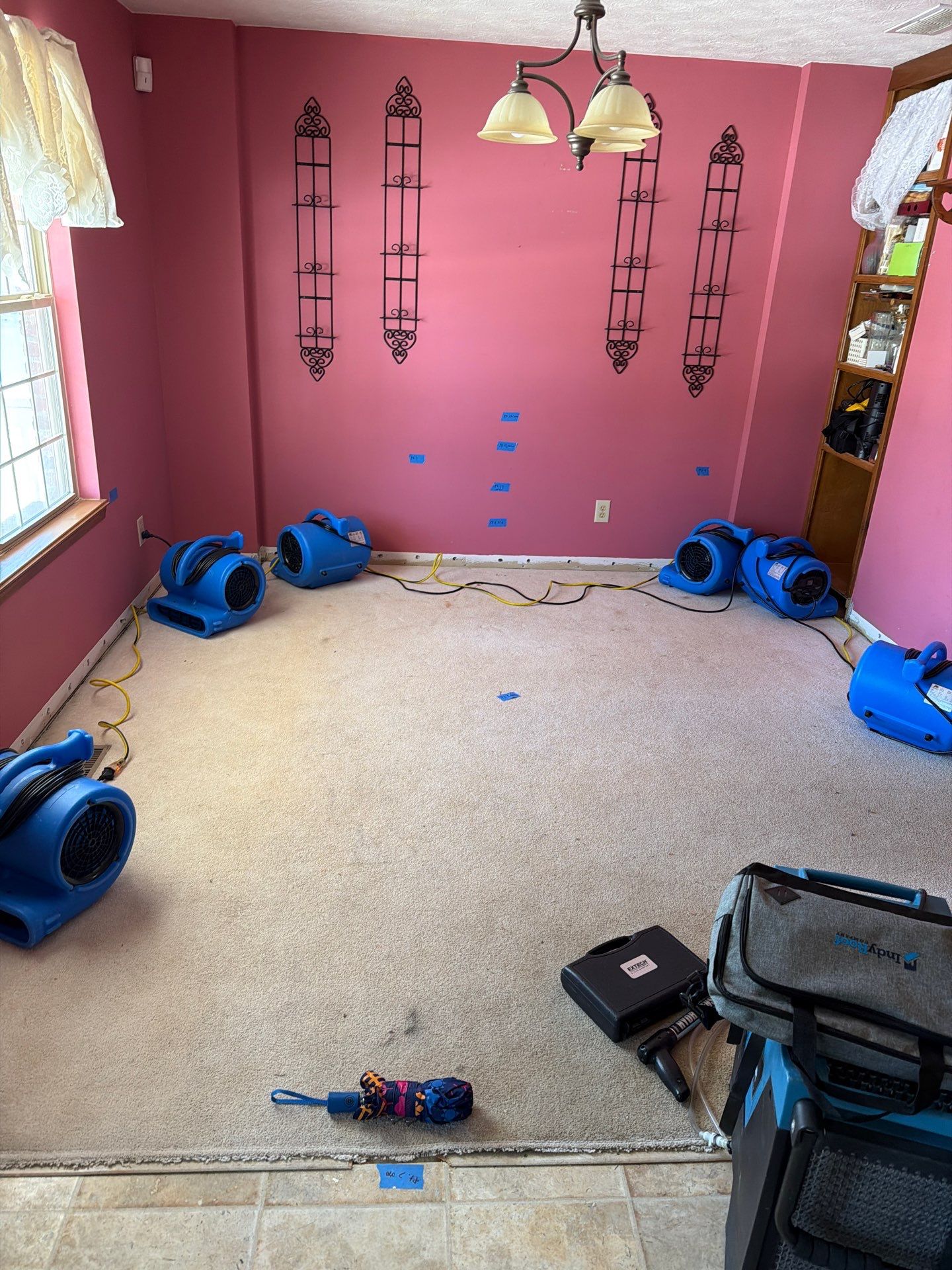
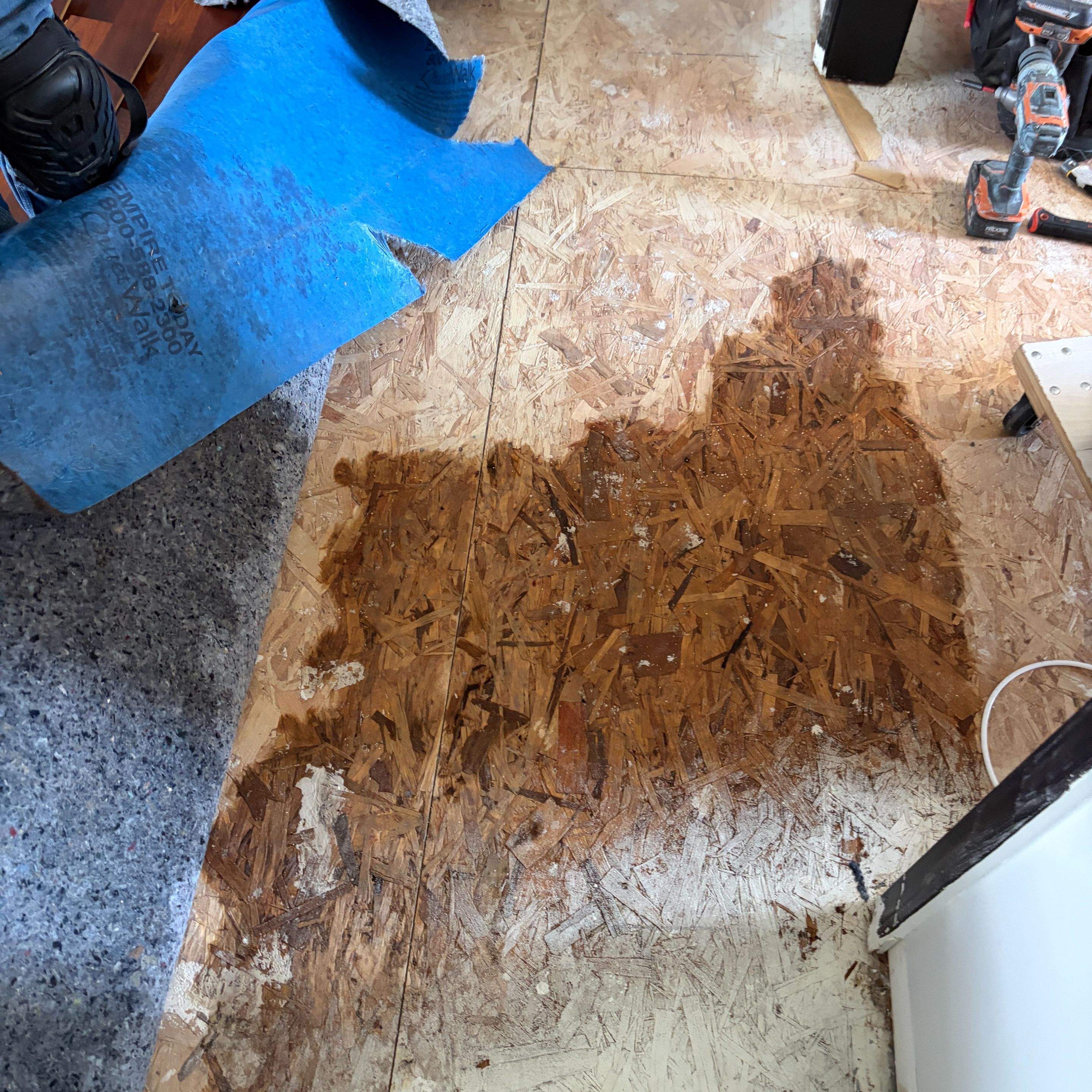
One Albany homeowner called Albany Water Restoration on a Tuesday morning because her hardwood floor near the kitchen island had started cupping in a way it never did before. She had not seen a single drop of water. No leak, no drip, no stain on the ceiling below. By the time our IICRC certified tech pulled the toe kick off her cabinets, the subfloor underneath was reading 28% moisture on our pin meter. That is roughly three times what a dry subfloor should read. The culprit was a slow refrigerator water line leak that had been weeping for an estimated four to six weeks.
That story is not rare in central Indiana. It is the rule, not the exception. Hidden water damage hides because homes are built to hide it, drywall covers framing, flooring covers subfloor, cabinets cover plumbing, and insulation hides everything else. By the time you can see it, you are usually looking at thousands in repair costs and a real mold risk. This guide walks you through actual field calls we have run in Albany, the early warning signs the homeowner almost missed, and what you can do tonight to check your own home. If you spot any of these signs and want a second set of eyes, Albany Water Restoration offers free moisture inspections in Albany, and if we cannot help, we will tell you directly.
The Cupped Floor That Was Not a Spill
Back to that first homeowner. She thought the cupping was humidity. Summers in Albany get muggy, and hardwood does move. What tipped us off was the pattern. Humidity cupping is uniform across a room. Hers stopped two feet past the fridge and ran in a straight line toward the dishwasher. Moisture from a leak travels along the path of least resistance, usually following the seams in the subfloor. If your floor is cupping in a stripe or a half circle around an appliance, that is not weather. Our refrigerator water line leak guide covers this exact failure mode in more depth.
When we pulled her fridge out, the copper supply line had a pinhole about the size of a sewing needle. It had been weeping maybe a teaspoon an hour for who knows how long. The plywood subfloor under the fridge had turned the color of wet cardboard, and the particleboard toe kick on the adjacent cabinet crumbled in our hands. Total repair came in around $4,800. If she had pulled the fridge out the first time she noticed the cupping, six weeks earlier, we estimate it would have been a $900 job. Pinhole leaks rarely announce themselves. They whisper through your floor for months.
The Musty Smell in the Spare Bedroom
A retired couple in Albany called us because their guest room smelled like a wet basement even though it sat on the main floor. No visible water anywhere. We brought in a thermal camera and found a cold spot running vertically inside the exterior wall behind the dresser. Behind that wall sat the kitchen sink drain on the other side. A slip joint had loosened, and every time the sink drained, a few tablespoons of grey water hit the bottom plate of the wall. Six months of that adds up. We documented Category 2 contamination and walked them through the cleanup process detailed on our water damage restoration service page.
What made this one tricky is that the smell was the only symptom. No staining had reached the bedroom side of the drywall yet, because the water was running down inside the wall cavity and pooling in the sill plate. The nose catches things the eyes miss. If a room smells damp and the weather has been dry, trust your nose and start checking the back side of every wall that shares plumbing.
The Crawl Space Call That Saved a Foundation
One Albany couple bought an older home and never opened the crawl space hatch for two years. They called us about a sagging hallway. When our tech went under the house, standing water sat about three inches deep across roughly 400 square feet. The vapor barrier had pooled it like a swimming pool. Joists had begun to rot, and one beam had dropped about a half inch. We pumped, dried, and replaced the affected framing, but the bill ran north of $14,000 because it had gone unchecked. If they had caught it in the first six months, we estimate the cost would have been closer to $3,500. If you have not looked at your crawl space this year, look. Our team covers what to expect in the crawl space water damage walkthrough.
Other Early Warning Signs We See in Albany Homes
Some signs are subtle enough that homeowners brush them off for months. From the field, these are the ones that almost always mean trouble.
- Baseboards that look slightly swollen at the bottom edge or have paint flaking near the floor
- A water bill that jumped 15 to 30 percent with no change in usage
- Door frames in older Albany homes that suddenly stick in dry weather
- Tile grout that crumbles when you run a fingernail across it
- A faint outline of studs becoming visible through the drywall paint (called ghosting, caused by moisture pulling dust to cold framing)
- Insects you do not normally see, especially silverfish or pill bugs, showing up in living spaces
- Nail pops in drywall ceilings that were smooth a year ago
The Ceiling Stain That Was Not From the Roof
Another call came in from a homeowner near Albany who had a coffee colored ring on his living room ceiling. He assumed roof leak, called a roofer, and the roofer found nothing. He sat on it for two months. When he finally called us, the upstairs bathroom caulk around the tub had failed, and every shower was sending a small amount of water into the joist bay below. The drywall above his couch had lost about 40% of its structural integrity. We cut a 2 foot by 2 foot inspection square and the back of the drywall was already black with mold growth. Mold can colonize wet drywall in 48 to 72 hours. He was eight weeks past that window.
The lesson, a brown ring on a ceiling is never nothing. If the roofer clears the roof, the next stop is the plumbing directly above that ring, almost always a tub, toilet, or sink.
What to Do Tonight
If anything in this article rang a bell, do three things before you go to bed. Pull your fridge out six inches and look at the floor behind it. Open the cabinet under every sink and run your hand along the back, feeling for any dampness. Walk your basement or lowest floor with the lights off and a flashlight angled across the floor, water stains and warping show up under raking light that overhead lights wash out.
Hidden water damage in Albany homes follows a predictable arc. Day 1 to 7, the water is contained and cleanup is straightforward. Day 8 to 30, mold begins and materials start failing. Past 30 days, you are usually into structural repair and air quality work. Catching it in week one can save you 60 to 80 percent of the eventual cost. That is why Albany Water Restoration offers free inspections, with a crew dispatched in most cases within 2 hours of your call. Calling us costs nothing. Waiting another month can cost a lot.
The Attic Drip That Looked Like Condensation
One last story. A Albany homeowner climbed into his attic to grab Christmas decorations and noticed the underside of the roof deck looked slightly darker near the bathroom vent. He chalked it up to winter condensation, common in our climate, and forgot about it. By spring, the insulation directly under that spot was matted flat and a faint stain had appeared on the bedroom ceiling below. The bathroom exhaust fan had been venting straight into the attic instead of through the soffit. Years of warm, moist shower air had saturated the deck sheathing. Albany Water Restoration replaced about 60 square feet of sheathing, the soaked insulation, and rerouted the duct properly. Total cost ran about $2,200. Check where your bathroom fans actually vent. We see this one almost monthly.
Catching It Early Is Always Cheaper
Hidden water damage rewards homeowners who pay attention and punishes those who wait. If something in your Albany home feels off, a smell, a stain, a bill that does not add up, trust that instinct and get it checked. Albany Water Restoration has been serving central Indiana since 2018 with BBB A+ accreditation and IICRC certified crews. Call us for a free inspection, and if your home does not actually need restoration, we will tell you straight.
Frequently Asked Questions
How can I tell if water damage is hidden behind my walls?
Look for musty odors, faint discoloration in raking light, sudden nail pops, bubbling paint, or warm and cool spots that do not match the room temperature. A Albany Water Restoration technician in Albany can confirm with thermal imaging and moisture meters during a free inspection.
How long does hidden water damage take to cause mold in Albany homes?
Mold typically begins growing within 48 to 72 hours of materials staying wet, and Albany basements and crawl spaces accelerate that timeline due to humidity. Once you suspect a hidden leak, the 48 hour clock is the number that matters most.
Will my homeowners insurance cover hidden water damage?
Sudden and accidental leaks reported promptly are usually covered, while long-term seepage is typically excluded as a maintenance issue. Albany Water Restoration documents the source, duration indicators, and moisture mapping in a format your adjuster expects.
What does a hidden leak inspection cost with Albany Water Restoration?
Inspections in Albany are free. If we find no restoration-level damage, we tell you directly and recommend a plumber or HVAC technician instead. We only bill when there is actual mitigation or restoration work to perform.
How fast can Albany Water Restoration respond to a suspected hidden leak in Albany?
Our crews dispatch across Albany and central Indiana in most cases within 2 hours. For active leaks we treat the call as emergency mitigation, and for slow suspected leaks we can usually schedule a same-day or next-day inspection.
Have a restoration question?
Our IICRC certified Albany crew is ready to help. Free assessments, written scopes, no pressure.