24 Hour Water Damage Restoration in Albany: Real Calls
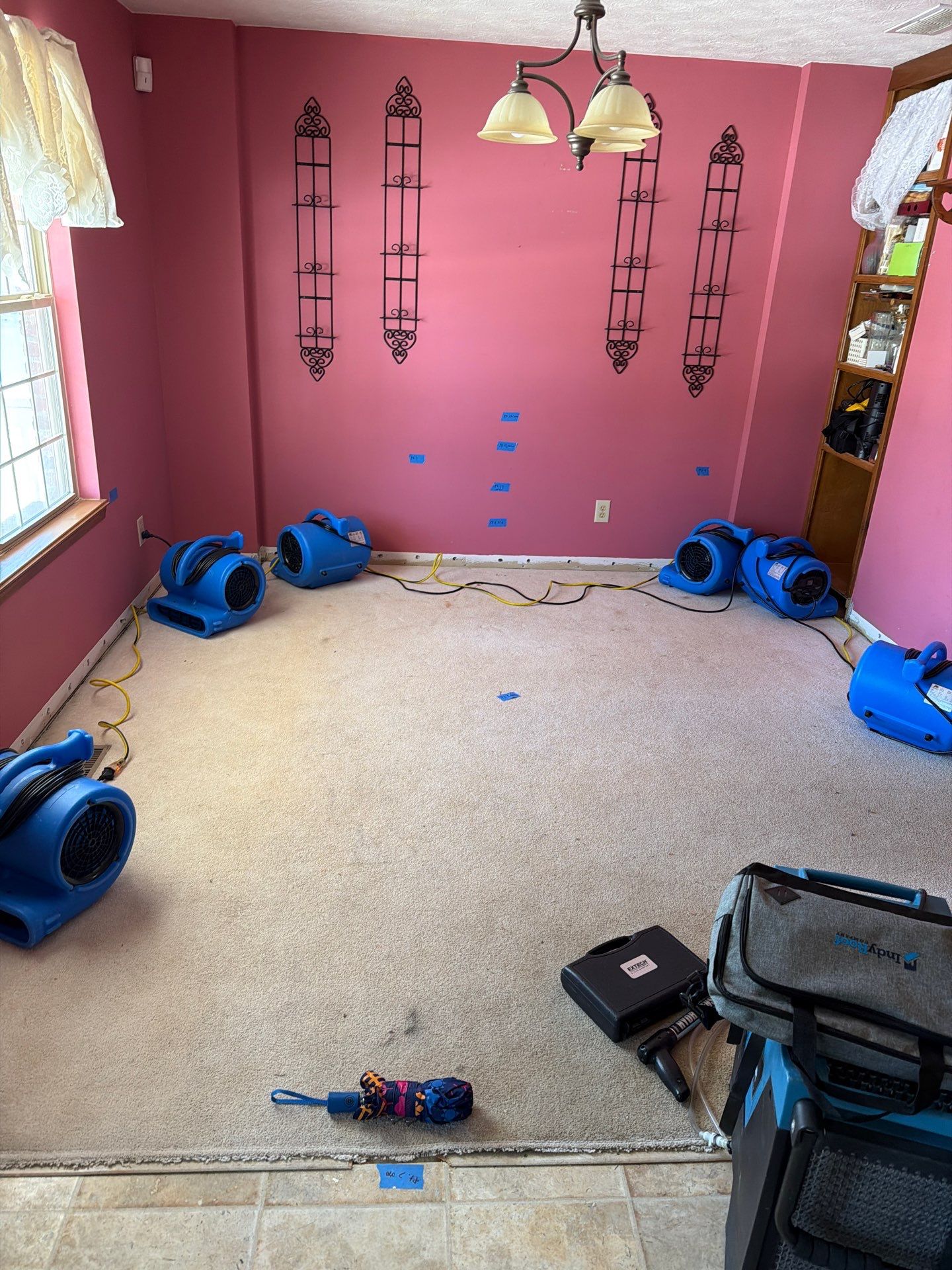
It is almost never a convenient hour when water starts where it should not be. A supply line lets go behind the washing machine at 2am, a sump pump quits during a thunderstorm, a water heater splits open while you are at work in Albany and you come home to a soaked first floor. The clock matters more than most homeowners realize. Drywall, subfloor, baseboards, and cabinet kicks start absorbing within minutes, and by hour 24 the damage shifts from clean water restoration into Category 2 territory with mold risk climbing every hour after that.
Albany Water Restoration runs a true 24 hour emergency line for Albany and the surrounding Central Indiana area, not a voicemail that loops back the next morning. When you call, a real person picks up, gathers the basics about your loss, and dispatches a technician with truck mounted extraction equipment, air movers, and dehumidifiers already loaded. We have been doing this since 2018, we are IICRC certified, we carry a BBB A+ rating, and if we look at your situation and decide you do not need us, we will tell you that directly. No upsell, no scare tactics, no padded scope. Just an honest read on what your property needs right now.
The 2 a.m. Supply Line Burst
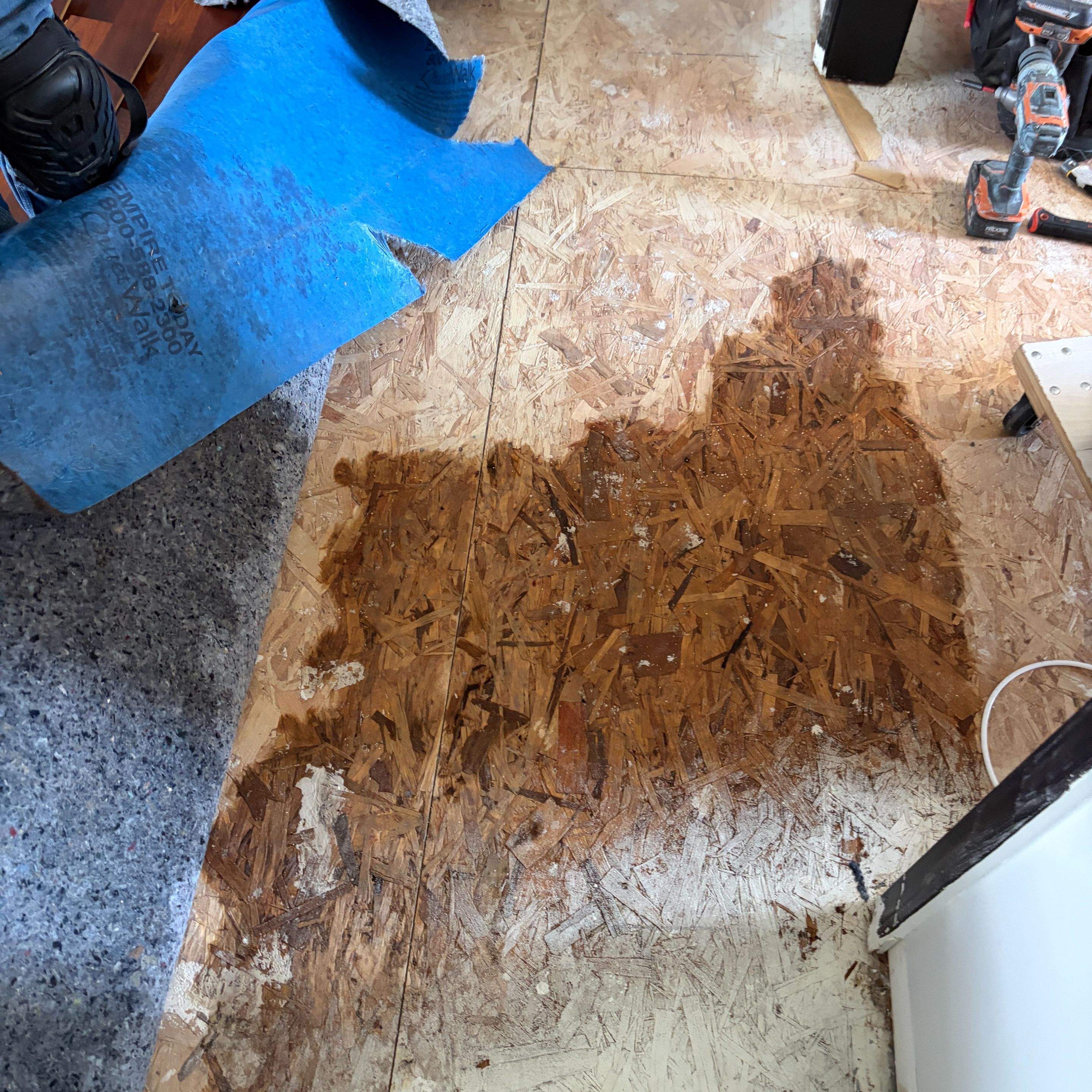
The homeowner I mentioned above lived in a 1990s build with original braided supply lines under the sink. One had finally given out. By the time our lead tech walked in, water had migrated under the kitchen tile, through a transition strip, and into 220 square feet of engineered hardwood. He shut the valve, pulled the toe kicks, and started extraction within 12 minutes of arrival. We pulled close to 80 gallons out of that floor before sunrise.
The key detail most Albany homeowners miss: she did not try to mop it herself. She killed the water, opened the cabinet, took two photos, and called. That single decision saved the subfloor. We placed nine air movers and two LGR dehumidifiers, monitored moisture readings daily, and closed the job in four days at roughly $4,200, well inside her deductible math. If she had waited until morning, the hardwood would have cupped past the point of refinishing and the bill would have doubled. Our full process is laid out on our water damage restoration page if you want to see what the standard scope looks like.
One detail worth adding from that job: we found that the cabinet base had absorbed water along the back panel, which is common in particle board construction. Rather than tear the whole vanity out, we drilled small inspection holes behind the toe kick, ran a borescope, and confirmed the structural plywood beneath was still reading under 14 percent moisture. That single check saved her about $900 in cabinet replacement she did not actually need. Good restoration is as much about what you do not rip out as what you do.
What 24 Hour Response Actually Looks Like
When you call Albany Water Restoration at any hour, a real person answers. We confirm your address, ask whether the water source is stopped, ask the category and approximate square footage as best you can estimate, and dispatch the closest truck. Average arrival time across Albany runs 45 to 75 minutes depending on weather and time of day. Our techs are IICRC certified in Water Restoration (WRT) and Applied Structural Drying (ASD), and we carry enough equipment on each truck to start drying a 1,500 square foot loss without waiting for a second trip.
We bill directly to most major insurance carriers and document moisture readings daily so your adjuster has the paper trail they need. If your loss is small enough that filing a claim does not make sense, we will tell you that directly and quote a flat number. Honesty is cheaper than upselling, and we are betting on referrals over the next twenty years.
One Call, Any Hour, Real People
Water damage does not schedule itself around business hours, and neither do we. If you are in Albany or anywhere in Central Indiana and water is where it should not be, call Albany Water Restoration now. We will be honest about what you need, fast about getting there, and thorough about getting your property dry and documented the right way the first time.
The Finished Basement After a Thunderstorm
Different call, different season. A Albany family hosted a graduation party in May, went to bed happy, and woke up to a sump pump that had burned out during an overnight storm. Their finished basement, carpet, drywall, a sectional, and a wall of built in shelves, was holding two and a half inches of Category 1 water that was rapidly heading toward Category 2 because it had touched the bottom plate of drywall and a few cardboard storage bins.
We arrived inside 45 minutes. The crew extracted standing water with a truck mounted unit, pulled the pad (carpet pad almost never survives), flood cut the drywall at 16 inches, and set 14 air movers plus three dehus. Total drying time: five days. Total invoice: just under $7,800, of which the insurance carrier covered everything except the deductible. The homeowner had photos timestamped before we touched anything, which made the claim painless. If your basement is the problem area, our basement flooding service page walks through the specifics for Albany below grade spaces.
The Slow Leak Behind the Refrigerator
Not every emergency announces itself. A Albany couple called us after pulling their fridge out to replace a worn gasket and finding black staining across the back wall and a soft spot in the laminate floor. The icemaker line had been weeping for what we estimated at six to eight months. No alarm, no puddle, just compounding damage. When we cut the drywall, we found visible mold growth on the back side of the sheet rock and along the bottom plate.
This one became a hybrid water and mold remediation job. We set containment with negative air, removed two sections of flooring, treated the framing, and worked with their carrier to cover the sudden discovery portion of the loss. Final cost landed at $6,300. The lesson for any homeowner: pull your appliances out twice a year and look behind them. Five minutes of inspection prevents the kind of damage that only shows up after it has been quietly destroying the wall cavity.
The Sewage Backup Nobody Wants to Talk About
A rental property manager in Albany called on a Sunday evening. A main line clog had pushed Category 3 black water up through a basement floor drain into a tenant's laundry room and a finished half bath. This is the call where shortcuts get people sick. We arrived in full PPE, set containment, removed all porous materials within the affected footprint, including the bottom 24 inches of drywall and the vinyl plank that had been laid without a moisture barrier, and applied an EPA-registered antimicrobial after extraction.
That job ran six days and roughly $11,400 because Category 3 protocol is not optional. The tenant was relocated for two nights, which the landlord's policy covered. Sewage losses are where homeowners try to save money and end up paying twice. If you are dealing with anything that smells like a sewer or looks discolored, read through the safe handling steps on our sewage backup cleanup guide before you step in it.
What Every One of These Calls Had in Common
Three things show up in nearly every successful Albany emergency we run:
- The homeowner stopped the water source within the first 10 minutes, or knew they could not and called immediately anyway.
- They took photos before any cleanup happened, which protected the insurance claim later.
- They called a local IICRC certified team rather than waiting for a 1-800 referral service to dispatch a crew from two counties away.
That third point matters more than people realize. A Albany crew can be on site in under an hour. A national call center routing to whoever picks up the job ticket often means three or four hours of additional saturation, which is the difference between drying your hardwood in place and tearing it out.
Frequently Asked Questions
How fast can Albany Water Restoration actually arrive in Albany after I call?
Most Albany addresses see a technician on site within 45 to 90 minutes of the initial call, day or night. Weather, traffic, and concurrent emergencies can extend that window, and we tell you a realistic ETA when you call rather than a marketing number.
Will my insurance cover a 24 hour emergency call?
Yes, in almost every case. Standard homeowners policies in Albany cover sudden and accidental water damage including the emergency mitigation work. Albany Water Restoration documents everything from arrival time to moisture readings so your adjuster has what they need to approve the claim quickly.
What if I am not sure the damage is bad enough to call at night?
Call anyway. We will walk through what you are seeing on the phone at no cost. If the situation can safely wait until morning, we will tell you that directly. If it cannot, we dispatch. We would rather give you a free phone consultation than have you call us in three days with mold.
Do you handle sewage backups on the same emergency line?
Yes. Sewage losses are treated as Category 3 from the first minute and require different protective equipment and disposal protocols. The same Albany Water Restoration number connects you to a technician trained for those conditions, with arrival times comparable to clean water calls in Albany.
What does the first hour of work on site usually cost?
Initial emergency response in Albany typically runs $500 to $1,500 for assessment, extraction startup, and equipment placement, which is almost always billed to your insurance claim. We provide a written scope before major work begins so there are no surprises on the final invoice.
Have a restoration question?
Our IICRC certified Albany crew is ready to help. Free assessments, written scopes, no pressure.